
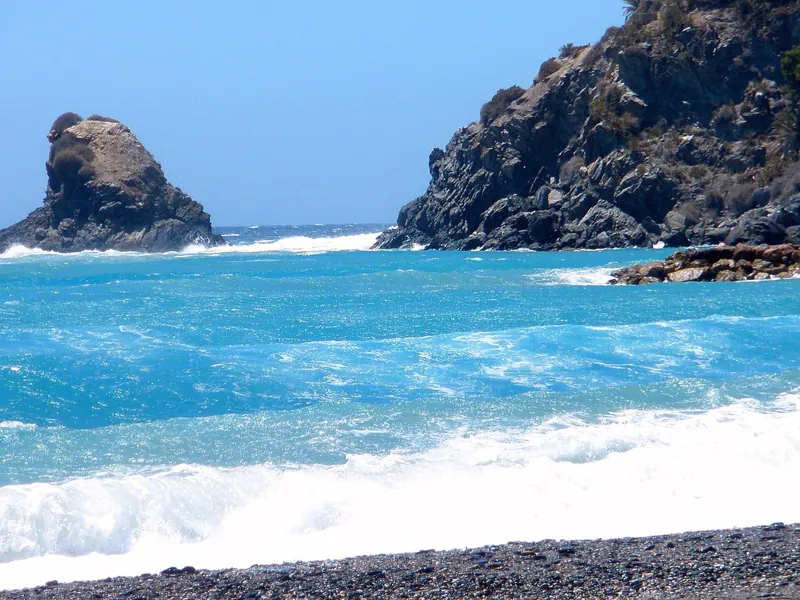
 Costa TropicalAlmuñécar beyond the beachBeyond the beach: Almuñécar's Roman fish factory, aqueduct, San Miguel castle and El Majuelo park, plus La Herradura next door.
The weather on the Costa Tropical, month by month
Why the Sierra Nevada keeps our coast mild, what the terral, autumn storms and summer heat feel like, and how warm the sea gets.

Ask five people on this coast which month they like best and you will get five answers, and most of them will mention the wind before the temperature. The weather here is less one climate than a handful of moods that arrive on particular breezes. Learn the names of those breezes and the calendar starts to make sense.
Why the mountains make the difference
Everything starts with the Sierra Nevada. Its high peaks rise a short drive behind the coast and block the cold northerly air that chills the rest of inland Andalucía in winter. The result is a coast where citrus, mango and avocado trees grow in the open. The same mountains are why the tourism literature claims around 320 sunny days a year. Buyers often ask us whether that number is real. Our answer: you will not count them, but you will notice the ones that are missing.
The mountains also explain why the coast feels so different from the Granada plain. Sit on a terrace in Salobreña in December and the peaks behind you can be white with snow while you have lunch in shirtsleeves.
Winter and spring: mild days and a cool sea
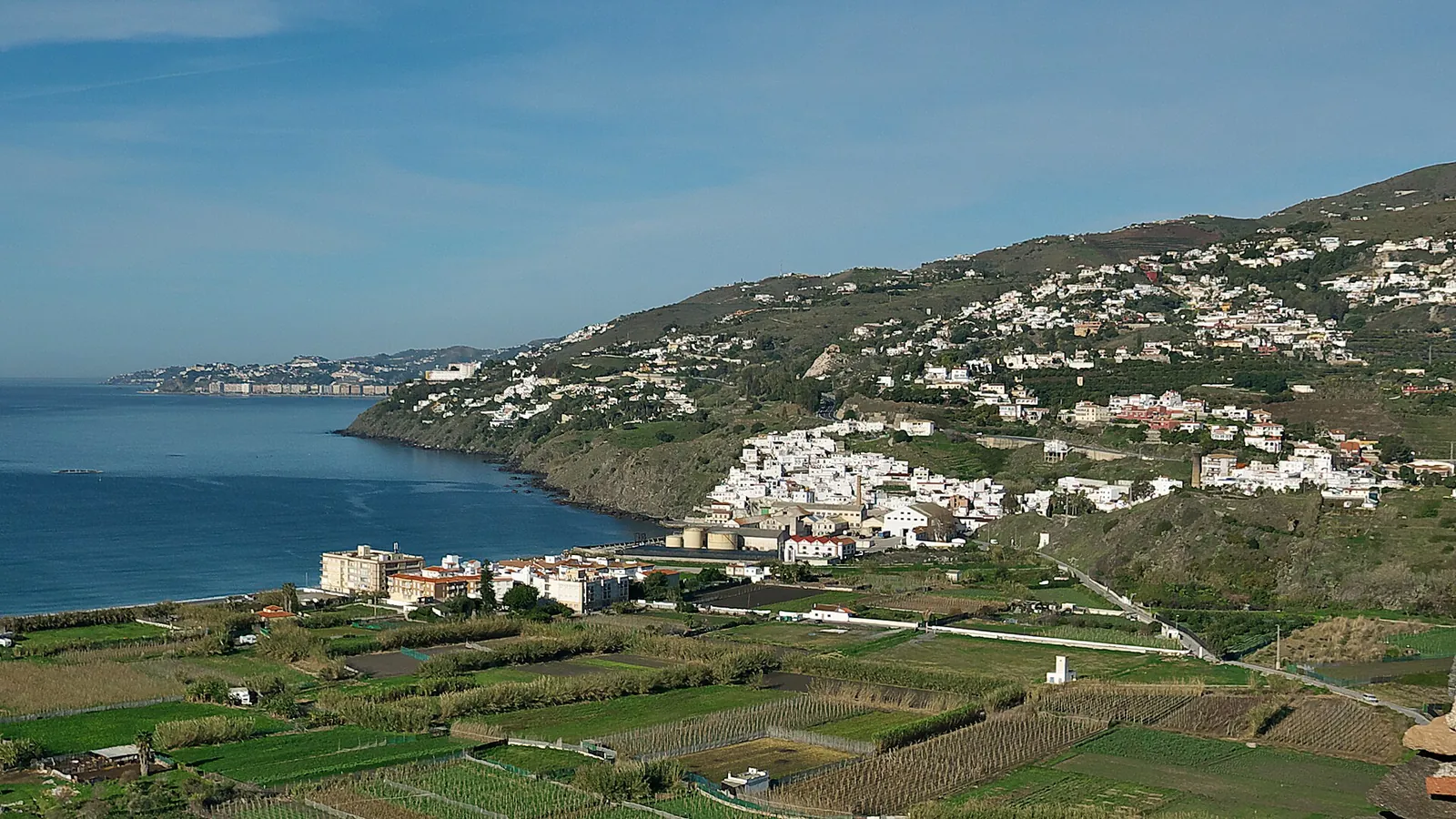
The long-run figures below come from the weather station at Málaga airport, along the same coast, and they are a fair guide to ours. In January the average daytime high is about 17 °C and the sea sits around 15 °C, which is cold for a swim but ideal for a long walk along the front. Rain arrives in winter but not every day, with about six rainy days in January and seven in December at Málaga airport.
Spring is the season we like best for viewing homes, and not only because the weather is kind. By April the daytime high is around 21 °C, and by May it has reached about 24 °C, while the sea is still only around 18 °C. Rainy days thin out to about four in March and April and three in May.
Autumn storms and the DANA
September to November is the stormy part of the year, and the word you will hear is DANA. It stands for depresión aislada en niveles altos, a cut-off low high in the atmosphere, and the popular name is gota fría, the cold drop. When one sits over a sea still warm from summer, it can dump a huge amount of rain in a few hours. In September 2023 one of them brought warnings of up to 25 litres an hour to the Costa Tropical and the Alpujarras. November and December are the wettest months at Málaga airport, at about 100 mm each on average, so autumn is not a dry season.
Terral, the hot wind from the hills
Terral is the hot, dry wind that blows from the land toward the sea, and it has a reputation that arrives before it does. In Málaga, where it is best documented, it crosses the Montes de Málaga and the Guadalhorce valley and reaches the coast hot and dry, which can push temperatures up sharply in a few hours. The word is local. AEMET explains that its direction depends on the geography of each place, which is why a terral in Valencia and one in Málaga do not blow from the same point of the compass.
On this coast the advice is simple. On a hot, still day with a dry edge to the air, keep the shutters half closed until the afternoon and do not plan a long walk at midday. The famous terral belongs to Málaga, but a hot, dry afternoon on our stretch deserves the same respect.
Levante, poniente and the afternoon breeze
Levante is the east wind and poniente the west wind, and both come up in everyday conversation on the Granada coast. The summer wind that matters most to a buyer is simpler. Motril's summer winds are mainly the afternoon sea breeze, which is one reason the seafront in July is more pleasant than the thermometer suggests.
Summer heat and the sea
June to September is hot. At Málaga airport the average daytime high is about 28 °C in June and reaches 30 °C or a little more from July to August. The sea is the story for swimmers. From June the water is near 20 °C, by late July it is about 23 °C, and August is the warmest month, with the sea close to 25 °C. September still holds near 23 °C.
The chart below puts the two side by side, with air from Málaga airport and sea from Motril.
- Sea (°C)
- Air, daytime high (°C)
| Series | Jan | Feb | Mar | Apr | May | Jun | Jul | Aug | Sep | Oct | Nov | Dec |
|---|---|---|---|---|---|---|---|---|---|---|---|---|
| Sea | 15.2 | 14.9 | 15 | 16.5 | 18 | 20.3 | 23.1 | 24.7 | 22.9 | 20.4 | 17.4 | 16.1 |
| Air, daytime high | 16.8 | 17.7 | 19.6 | 21.4 | 24.3 | 28.1 | 30.5 | 30.8 | 28.2 | 24.1 | 20.1 | 17.5 |
Source: air, AEMET normals 1981–2010, Málaga Airport (6155A). Sea, seatemperature.info Motril monthly averages; March from the Costa Tropical table at climatestotravel.com; April estimated between the two.
If the seasons have you thinking about the produce, our tropical fruit calendar shows what the sun grows month by month, and the beaches guide covers where the sea suits a swim. For snow and sea on the same day, read the ski-and-sea post. For the buying side, the Costa Tropical guide and the house hunter are the next steps.
Homes for saleSee homes for sale in SalobreñaSources
- AEMET — Valores climatológicos normales, Málaga Aeropuerto 6155A, accessed November 2026
- seatemperature.info — Motril water temperature, accessed November 2026
- climatestotravel — Costa Tropical climate and sea temperature, accessed November 2026
- climatestotravel — Motril climate, accessed November 2026
- andalucia.org — Costa Tropical, accessed November 2026
- Divulgameteo — Terral malagueño, accessed November 2026
- The Olive Press — Gota fría warning, 1 September 2023, accessed November 2026
Keep reading
All storiesCosta TropicalAlmuñécar beyond the beachBeyond the beach: Almuñécar's Roman fish factory, aqueduct, San Miguel castle and El Majuelo park, plus La Herradura next door. Costa TropicalMálaga, Granada or Almería? Flying to the Costa TropicalMálaga, Granada or Almería? Our honest take on drive times to Almuñécar and Motril, who flies where, and the bus, train and ferry options.
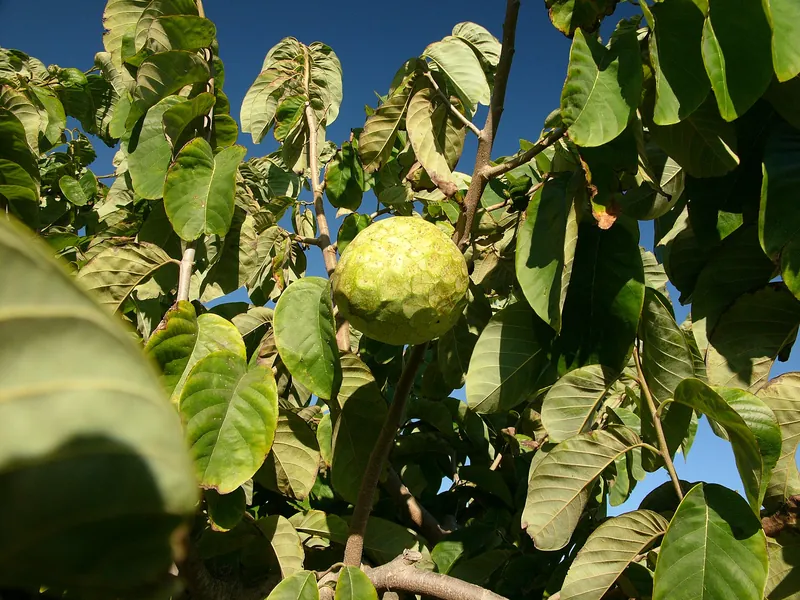 Costa TropicalTasting the year: mangoes, avocados and chirimoyas on the coastWhat the coast's mangoes, avocados and chirimoyas taste like through the year, when they are picked, and what owning a finca with trees means.
Ready when you are
Find your place on the Costa Tropical
Browse every home we have for sale, or tell House Hunter what you want and we will look for you.