
 Costa TropicalMálaga, Granada or Almería? Flying to the Costa TropicalMálaga, Granada or Almería? Our honest take on drive times to Almuñécar and Motril, who flies where, and the bus, train and ferry options.
Salobreña: the white town on the rock
The white old town under its castle, El Peñón, the sugar-cane plain, the beaches, market day, and what living here is like for buyers.
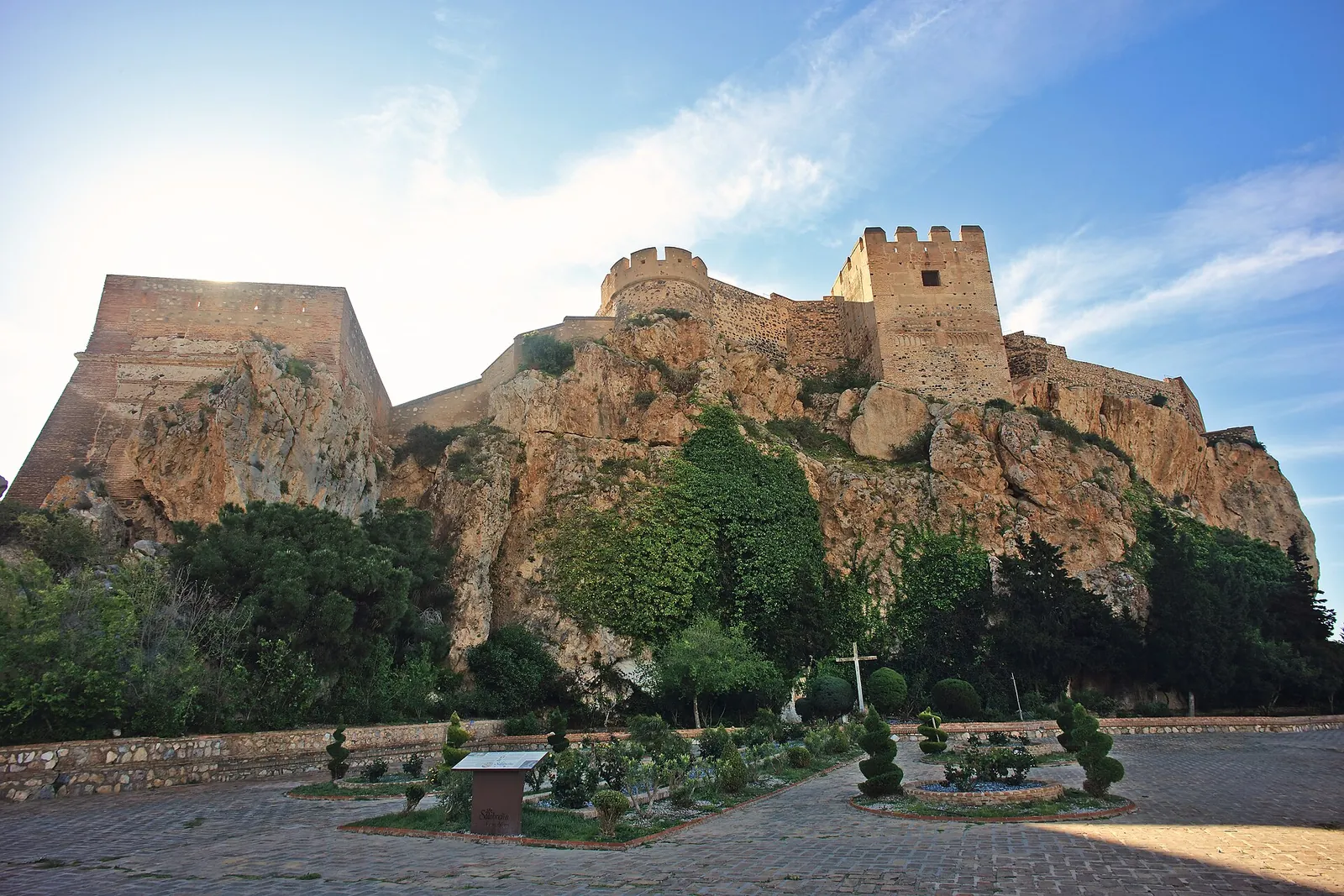
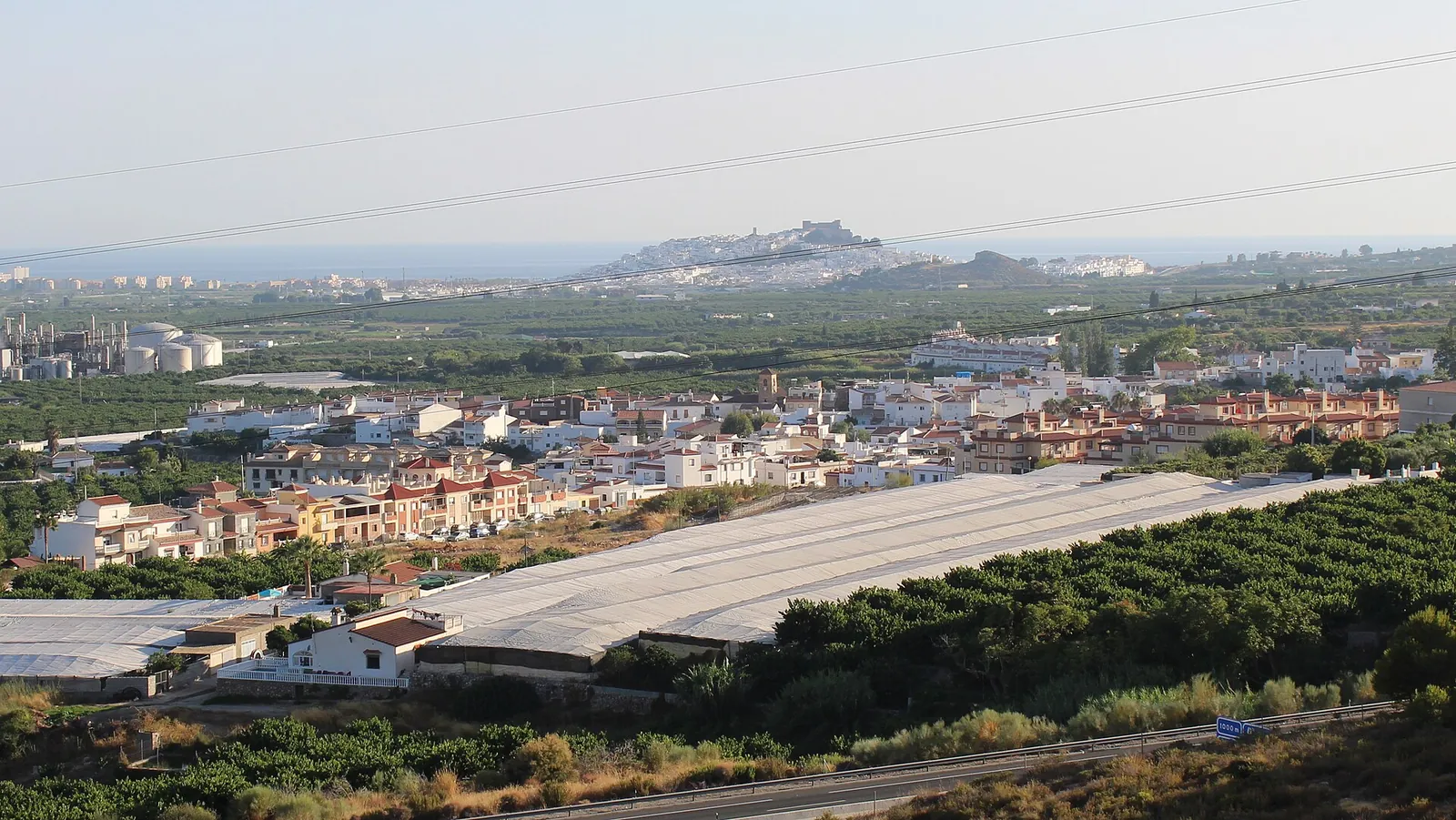
Salobreña is the town people photograph from the road before they reach it. White houses stack up a rocky rise above the coast, a Moorish castle sits at the top, and a headland of rock runs out into the sea between two of its beaches. It is the Costa Tropical town that raises the most questions from buyers, and most of them are the good kind.
A town built up a rock
The old quarter sits on a rocky rise, and its lanes are steep, narrow and whitewashed. Park at the bottom and walk up, because every bend gives you a new roofline and a wider slice of sea. The climb is the best way to understand how the town was put together, and the walls warm up in the low sun late in the afternoon, which is the time we tell people to go.
At the top stands the alcazaba. A castle is recorded on this rock in the 10th century, and it is still part of the town's everyday fabric rather than a ruin behind a railing. Walls and towers ring the summit, and the views run along the coast in both directions. Bring water and decent shoes, because the cobbles are not forgiving in July.
El Peñón and the sugar past
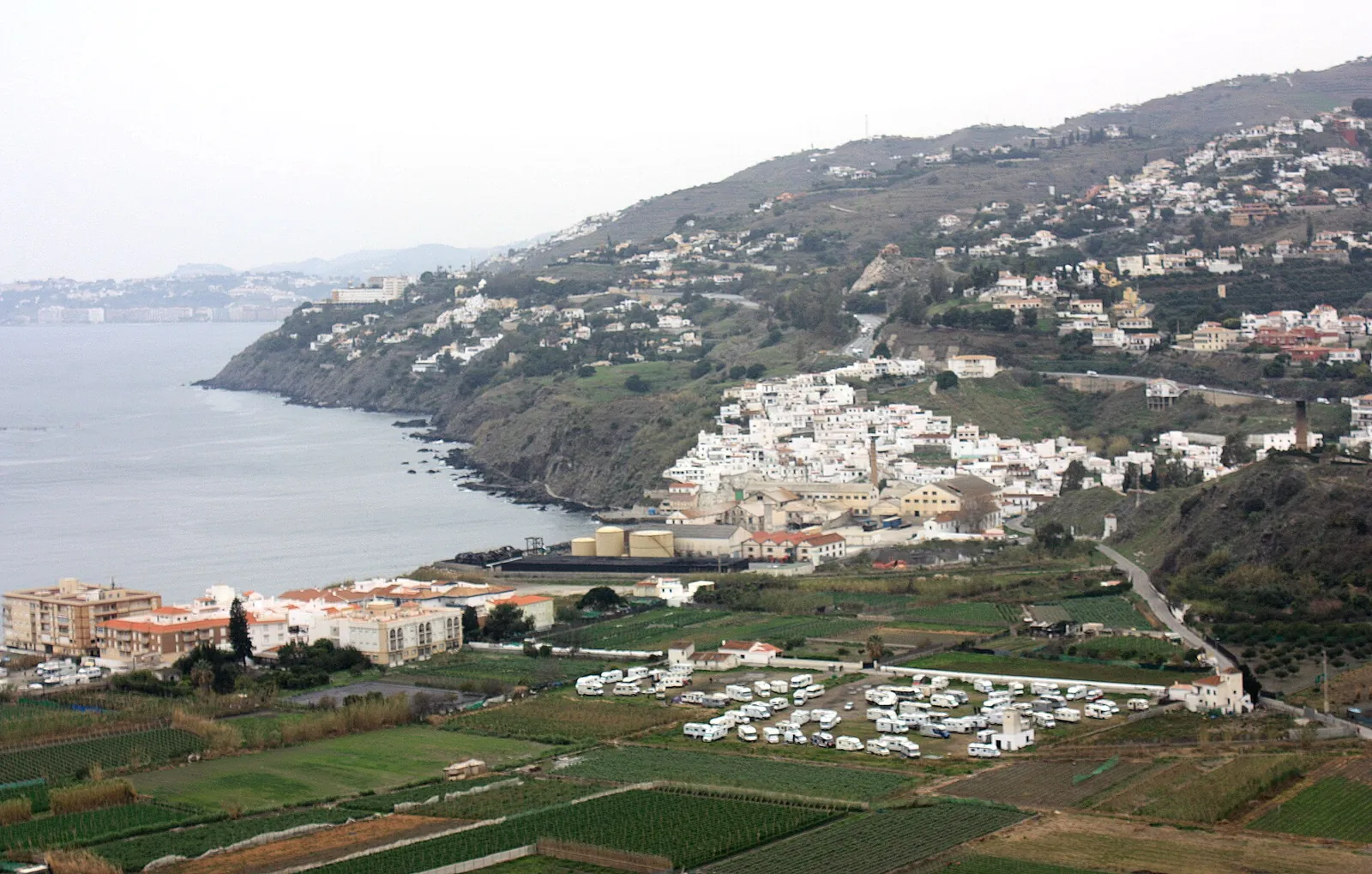
El Peñón is the rock that juts into the sea below the old town, and it divides two of Salobreña's five beaches. It was an island until the 17th century, and the earliest map that shows the sand joining it to the shore dates from 1722. Look at it from the castle and you will understand why the town grew where it did.
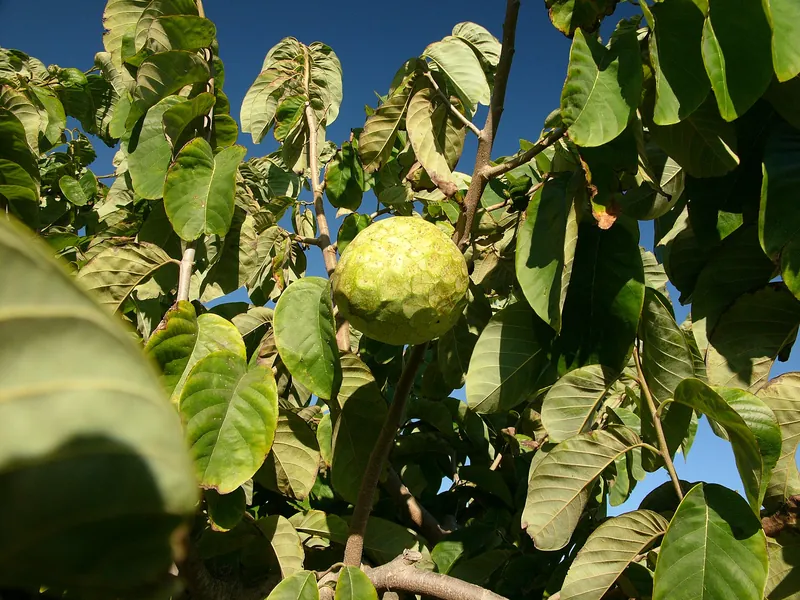
Sugar cane was the main crop of medieval Salobreña. Cotton took over for a long stretch, and sugar came back in the 19th century, when steam machinery arrived from Cuba. The last cane sugar factory in Europe stood near La Caleta and closed in 2006. Today the coastal plain still depends on cane and tourism, and the terraces above it hold almonds, custard apples and avocados.
Beaches, and where to go for more
Salobreña has five beaches, and El Peñón splits two of them: one stretch runs toward La Guardia and Caleta, the other toward Charca and Solamar. Most people find they stay longer on the sand than they planned. For a longer beach day and the next town along the coast, Almuñécar is a short drive east, and our piece on Almuñécar covers it.
Market day and everyday life
Market day is Tuesday and Friday, when around fifteen stalls set up from nine until two beside the municipal market. Go early, before the best of the fruit and vegetables has gone. On the second Sunday of the month an organic market takes over the Plaza de La Rosa, next to the municipal market, from ten until two, with fruit, vegetables, cheese and bread. Saturday brings second-hand and antiques stalls to the Parque de la Fuente from eight until two, and in July and August there is a Friday night market on the Vial Verde near Salomar.
Outside the summer months the town is quieter and clearly a place where people live all year, which is what most buyers are looking for. Big weekly shops are easy, since Motril is only a few kilometres down the road. Our cost of living piece goes through the rest.
Old town or coastal developments
Buyers tend to split into two camps. The old town gives you character and a view that changes every few steps. It also gives you stairs, narrow lanes, limited parking and older buildings that need a careful survey before you commit, so do not skip it.
The coastal developments trade that character for flat ground, parking and a short walk to the sand. They suit buyers who want simple access and do not want to climb steps every time they come home. Whichever you choose, ask who manages the common areas and what the community fees cover, and have a lawyer check the title before you sign anything.
How far to Granada and Motril
Granada is roughly 65 to 70 kilometres away, and the drive takes about 45 minutes to an hour, a little longer on summer weekends when the coast road fills up. Motril is a few kilometres west along the coast, with a bus taking about ten to fifteen minutes. For the wider picture of getting here, see airports and getting here, and for the city, read about Granada and the Alhambra.
Homes for saleSee homes for sale in SalobreñaSources
- Wikipedia — Salobreña, accessed November 2026
- mercadillos.org — Mercadillos in Salobreña, accessed November 2026
- Rome2rio — Salobreña to Granada, accessed November 2026
- Omio — Motril to Salobreña bus, accessed November 2026
- Wikimedia Commons — Dguendel, view from the castle to Caleta-La Guardia (CC BY 4.0), accessed November 2026
- Wikimedia Commons — Javier Pérez Montes, Alcazaba de Salobrena (CC BY-SA 4.0), accessed November 2026
Keep reading
All storiesCosta TropicalMálaga, Granada or Almería? Flying to the Costa TropicalMálaga, Granada or Almería? Our honest take on drive times to Almuñécar and Motril, who flies where, and the bus, train and ferry options.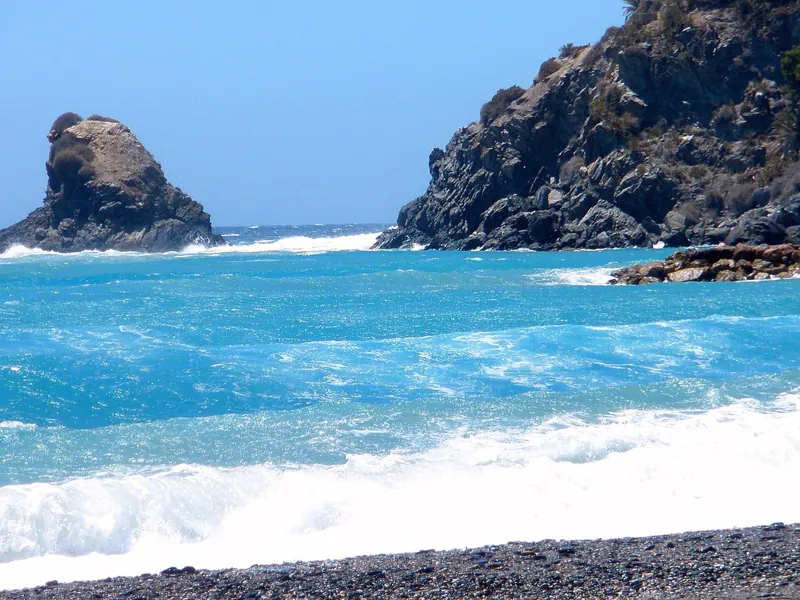 Costa TropicalAlmuñécar beyond the beachBeyond the beach: Almuñécar's Roman fish factory, aqueduct, San Miguel castle and El Majuelo park, plus La Herradura next door.
 Costa TropicalTasting the year: mangoes, avocados and chirimoyas on the coastWhat the coast's mangoes, avocados and chirimoyas taste like through the year, when they are picked, and what owning a finca with trees means.
Ready when you are
Find your place on the Costa Tropical
Browse every home we have for sale, or tell House Hunter what you want and we will look for you.