
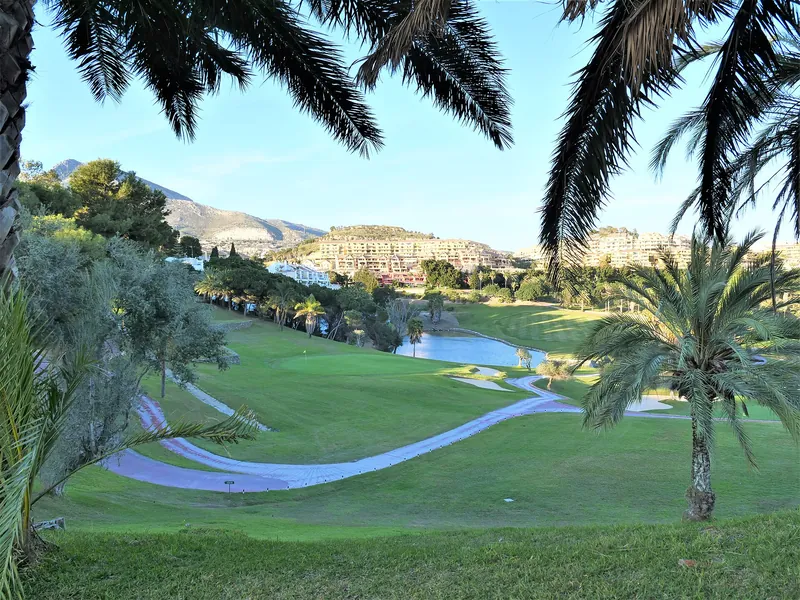
 Costa TropicalGolf on the Costa Tropical and next doorThe courses within reach of the Costa Tropical, from Motril to the Málaga coast, with par, winter prices and what to check before you book.
Almuñécar beyond the beach
Beyond the beach: Almuñécar's Roman fish factory, aqueduct, San Miguel castle and El Majuelo park, plus La Herradura next door.
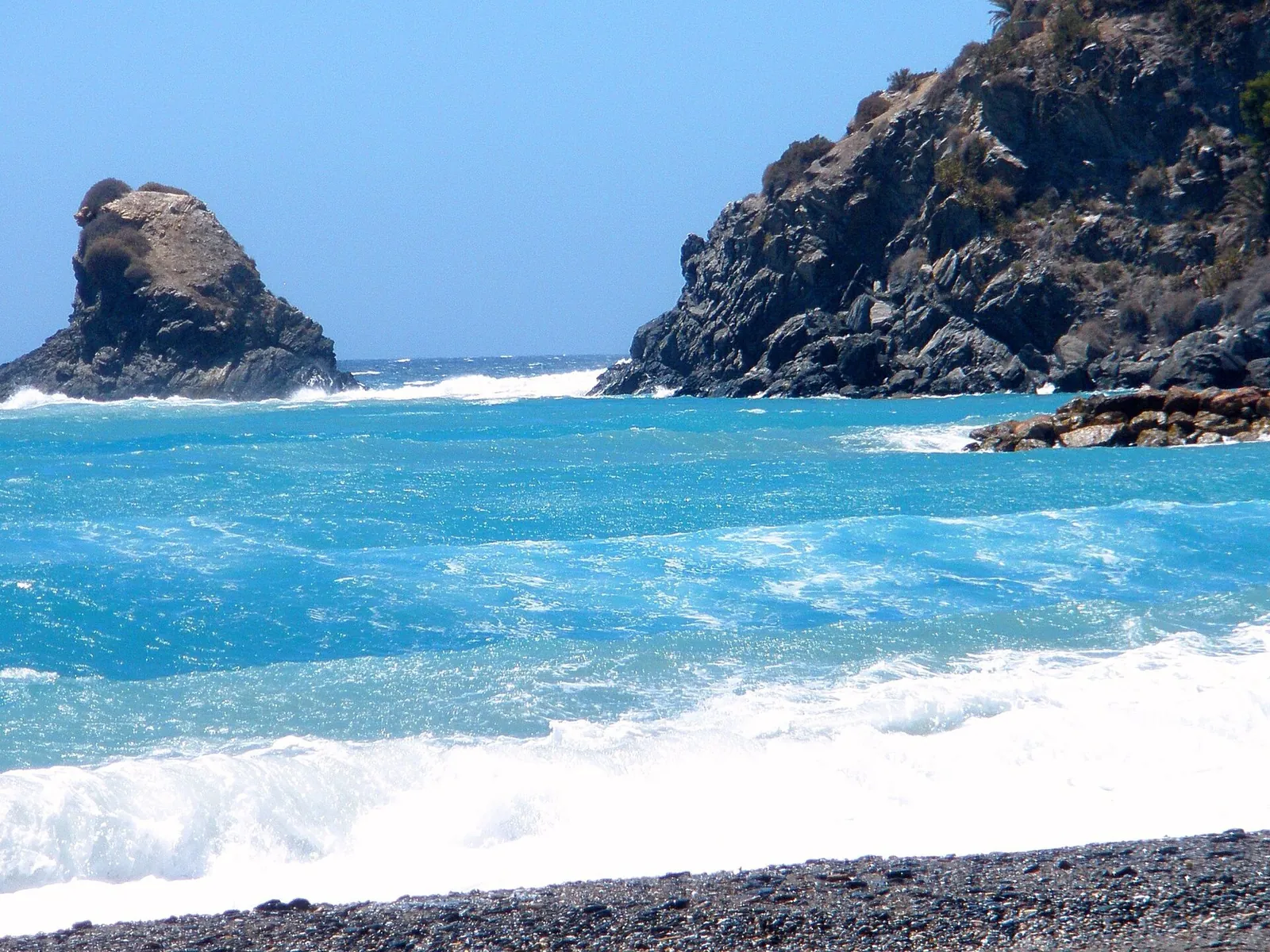
Most people come to Almuñécar for the beach, and the beach is a fine reason. The town has been a working port for more than two thousand years, though, and much of that history sits in plain view between the bakery and the seafront. Give it a morning before you decide anything.
Sexi, the port that salted fish for Rome
The Phoenicians were trading along this stretch of coast by around 800 BC, and they called their settlement Sexi. It grew into a port built around one industry: salting fish and making garum, the fermented fish sauce that was shipped across the Roman world. The Romans kept the trade going and expanded it. Very little of this is hidden, and much of what survives now sits in the middle of town rather than behind a museum door.
El Majuelo, where the factory sits in a park
Parque Botánico El Majuelo sits on Avenida Europa, just across from the main tourist office, so it is the easiest part of this story to find. The park lies in the historic heart of town, directly below the castle, and the Phoenician and Roman fish-salting factory is one of its features. The factory is generally dated to the fourth century BC for its Phoenician phase, with Roman expansion later.
The rest of the park is a plant lover's walk. There are over 200 species of tropical plants from Central and South America, Africa, the Philippines and New Zealand, and plenty of palms. Marble sculptures donated by Syrian artists stand along the paths, and the Province Houses, small buildings named after Spanish provinces, now hold artisan workshops and souvenir shops. In the warm months the shade is the main reason to come.
Up to the castle, then down to the rock
The Castle of San Miguel sits high above the old town, in the barrio that bears its name, surrounded by whitewashed houses. It was a Phoenician and Roman site before the Muslim rulers fortified it heavily, and in the Nasrid period part of it served as a dungeon. It is not a huge castle, but it is in good condition, and a small museum inside has a scale model of the area so you can work out which beach is which.
Go up in the last hour of light if you can. The lanes are steep and the walk takes longer than the map suggests, but the old town goes gold below you and the sea turns a deep blue. The Fiestas de San Miguel run for three days and nights at the end of September, and the streets around the castle are busiest then.
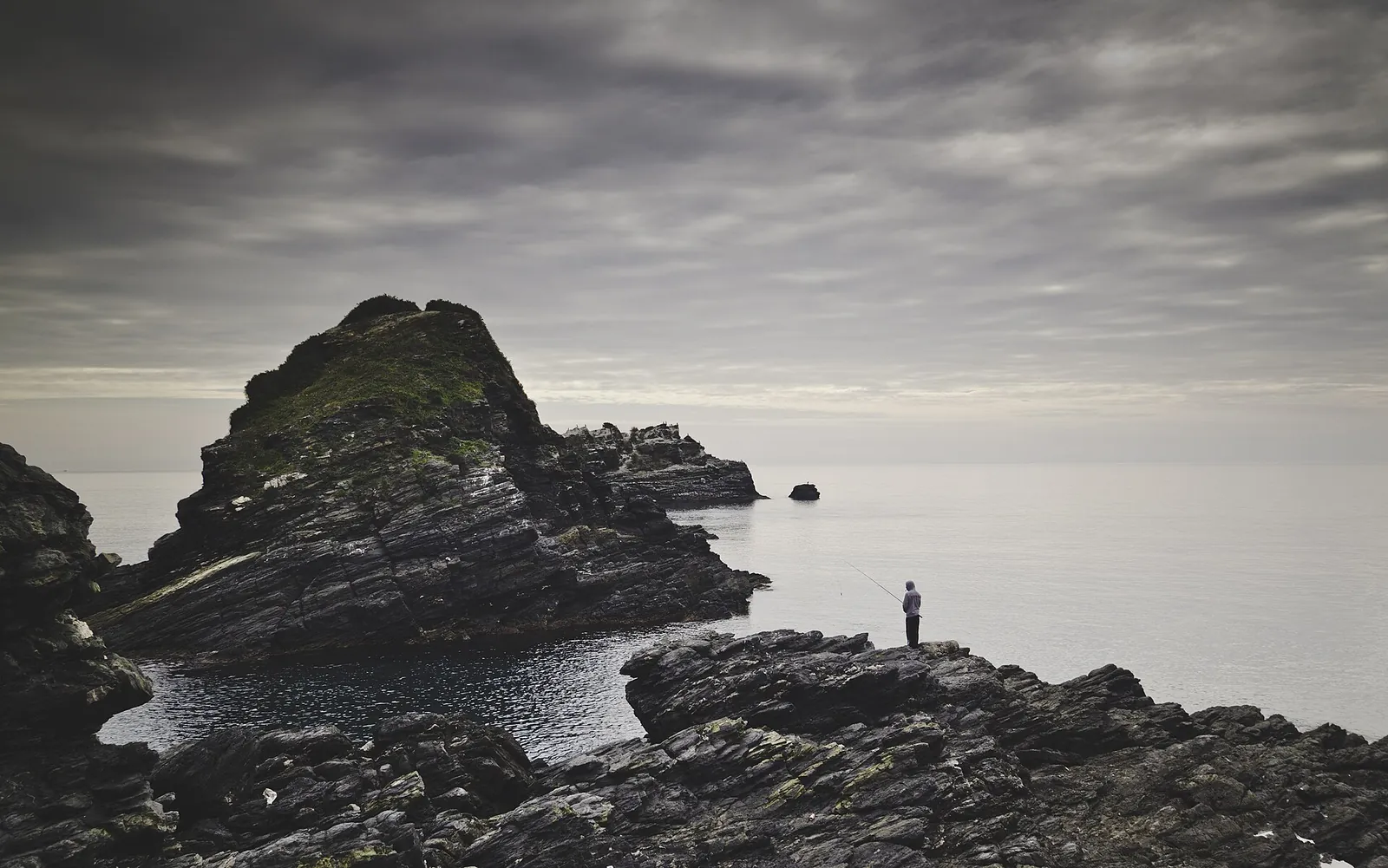
Back down, the Peñón del Santo is the rock you cannot miss from the beach. It is a natural monument with a large cross on its summit, and the climb to the top gives you the town and the coast in one look. Locks of love hang from the railings, which some people find charming and others find a little much. Either way, the view is the point.
The aqueduct that runs through town
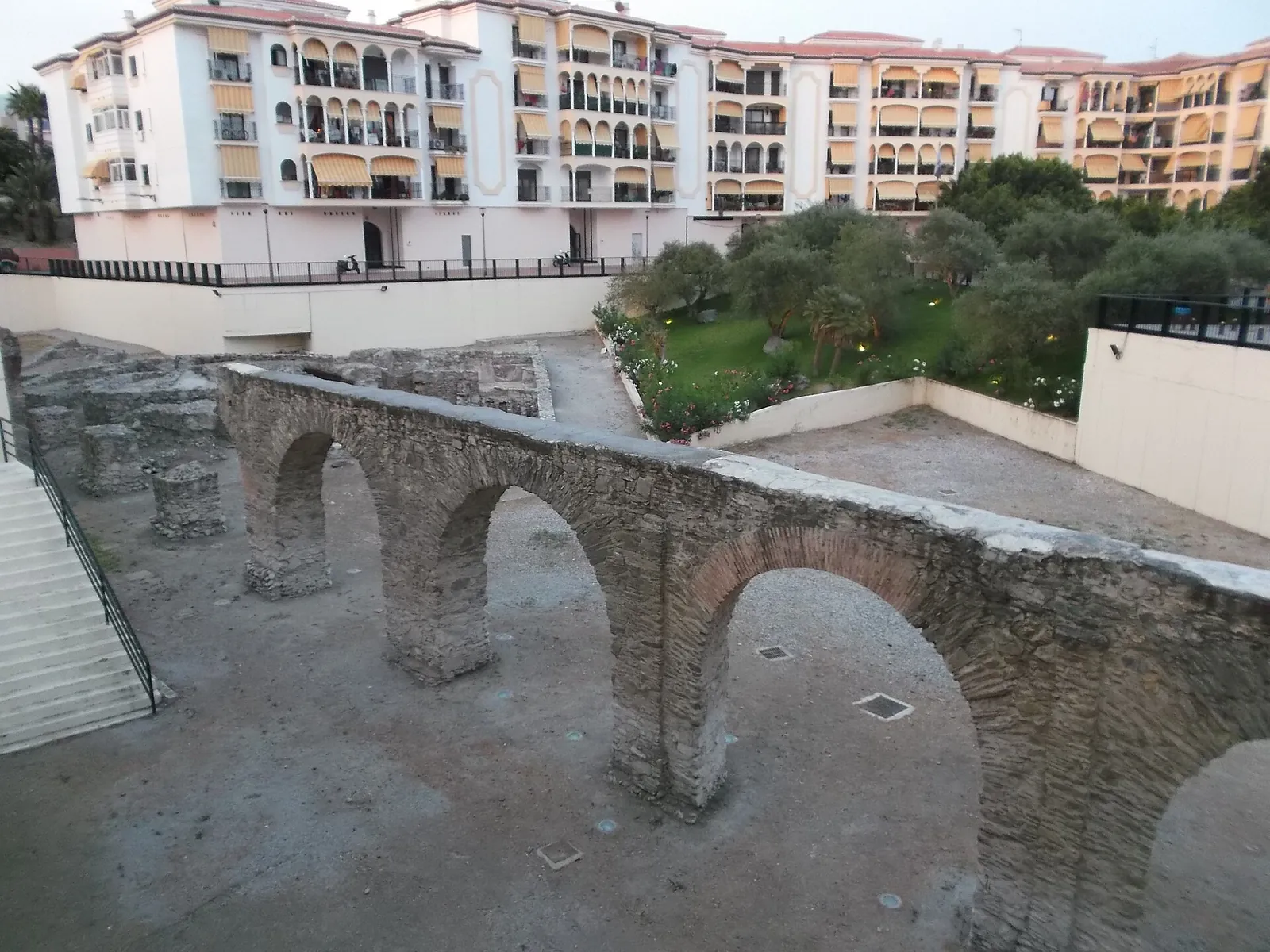
The Roman aqueduct is generally dated to the first century AD. It runs from the Torrecuevas area, about four kilometres north of town, down towards Almuñécar between the Río Verde and the Río Seco. Stretches of it remain inside the town, and it is easy to walk past one without realising what you are looking at.
Almuñécar has been a port for more than two thousand years, and it still makes you walk through its history on the way to the beach.
Most visitors photograph it once and walk on. Stop for five minutes, though, and look at how the stones are set. It is the most direct link you will find between the town and the people who built it.
Living here the rest of the year
Almuñécar had 27,544 residents on 1 January 2025, which makes it a real town of people who live there, not a holiday set that switches off after the summer. The Río Verde runs through the municipality, and the valley behind town is the green half of the view when you look inland. Winters are mild by northern European standards, and January evenings are cool enough for a jumper, so pack one.
For the wider picture, read our piece on the coast's beaches, and if you are flying in, which airport suits Almuñécar best is a good place to start. Our weather piece covers the seasons in more detail.
La Herradura, the quieter sister
La Herradura is one of the population centres of the same municipality, with its own bay and its own postcode, a short drive along the coast. A Spanish fleet went down in a storm in that bay in 1562, which is a reminder that this water has never been entirely gentle. Today it is the calmer of the two, with the feel of a village that happens to have a very good beach.
If Almuñécar is where the castle, the shops and the Roman stones are, La Herradura is where you go to sit by the water with a coffee and nothing in particular to do. Plenty of people split their weeks between the two, and that is how we would suggest you see them both.
Homes for saleSee homes for sale in AlmuñécarSources
- Wikipedia — Almuñécar, accessed November 2026
- almunecarinfo — Historical & Cultural Almuñécar, accessed November 2026
- almunecarinfo — El Majuelo Park and Botanical Garden, accessed November 2026
- Wikimedia Commons — Castillo de San Miguel, Almuñ 24J 06 (CC BY-SA 4.0), accessed November 2026
- Wikimedia Commons — Acueducto de Almuñécar01 (CC BY-SA 4.0), accessed November 2026
Keep reading
All storiesCosta TropicalGolf on the Costa Tropical and next doorThe courses within reach of the Costa Tropical, from Motril to the Málaga coast, with par, winter prices and what to check before you book. Costa TropicalUnder the surface: diving and snorkelling from La HerraduraDiving and snorkelling off La Herradura: the Maro-Cerro Gordo cliffs park, Punta de la Mona, what lives below and when the water is warmest.
 Costa TropicalMálaga, Granada or Almería? Flying to the Costa TropicalMálaga, Granada or Almería? Our honest take on drive times to Almuñécar and Motril, who flies where, and the bus, train and ferry options.
Ready when you are
Find your place on the Costa Tropical
Browse every home we have for sale, or tell House Hunter what you want and we will look for you.