

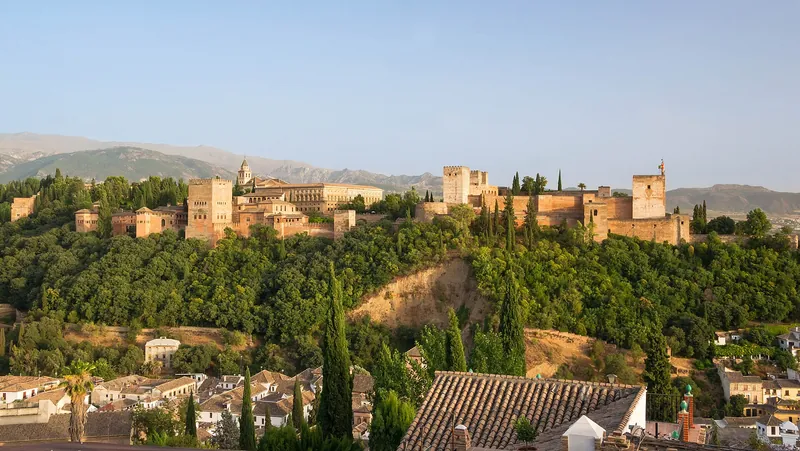
 GranadaGranada from the coast: the Alhambra and a day in the cityThe A-44 gets you from the coast to Granada in about an hour, and the Alhambra needs booking ahead. How we plan a day in the city.
The Lecrín Valley: orange blossom halfway to Granada
Halfway between the Costa Tropical and Granada, the Lecrín Valley has orange groves, white villages and a cable railway most people have forgotten.
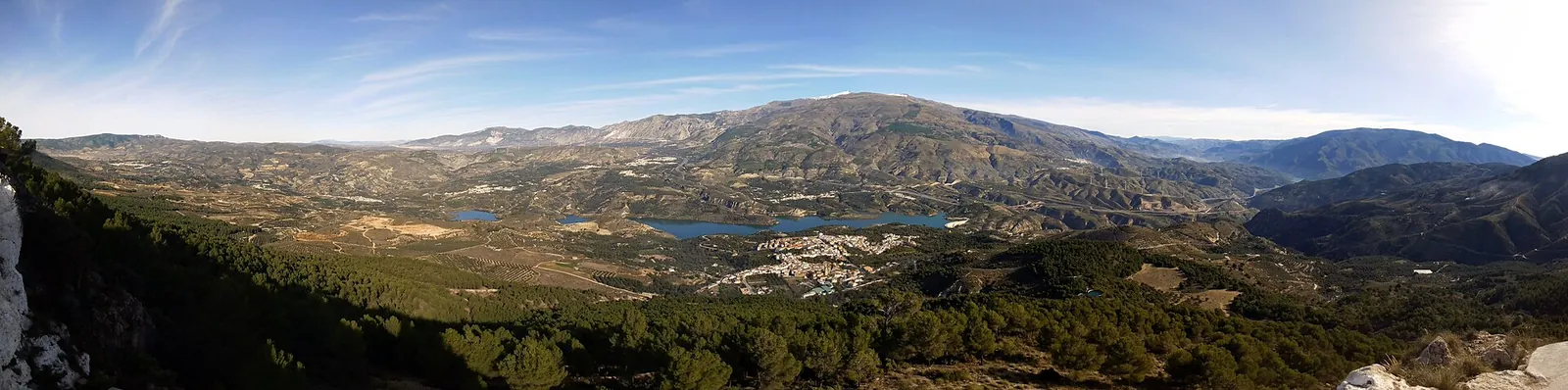
Take the A-44 north out of Motril and the coastal haze gives way to a long valley of orange groves, terraces and white villages. This is the Valle de Lecrín, roughly halfway between the sea and Granada, and most people drive straight through it. That is a shame, because it may be the most liveable stretch of the whole province.
Where the valley sits
The Lecrín is a comarca of eight municipalities in the centre-south of the province of Granada. The Vega de Granada lies to its north, the Alpujarra to its east and the Costa Tropical to its south, so it sits literally between our coast and the city. The A-44 runs through it from north to south with exits serving the villages, which is why the valley works as a base. The sea is a drive down the motorway and Granada is a drive up it.
Dúrcal is the valley's historic capital and the obvious place to start for shops and services.
The villages, one by one
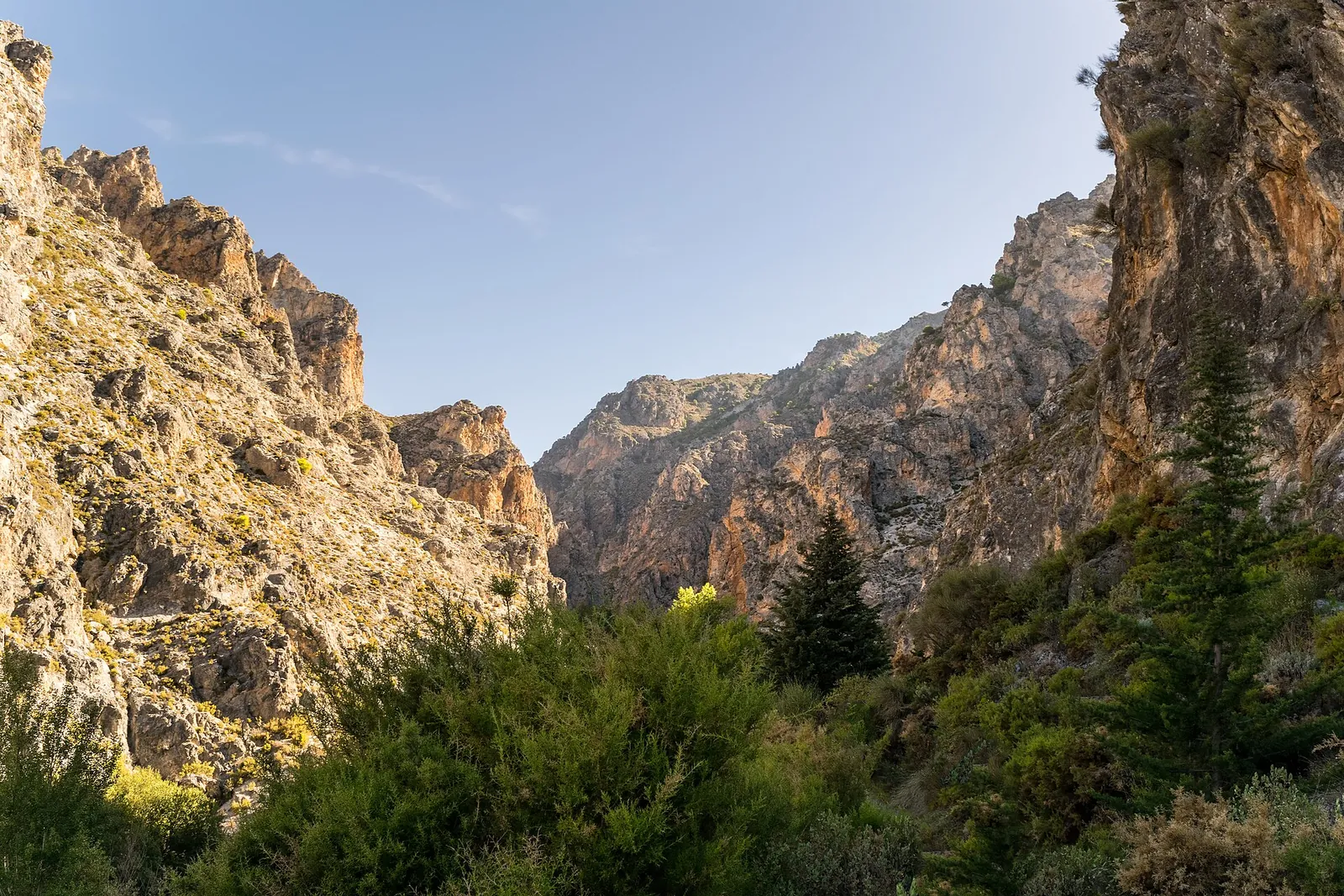
Dúrcal is the main town, with the river running deep through a ravine on its edge. Nigüelas sits high at the top of the valley and is often described as its highest municipality, which makes it the one to choose if you want the mountains close at hand.
Then there is El Valle, which is three villages under one town council: Restábal, where the council sits, Melegís, and Saleres. Melegís is the village that throws the valley's big party every spring. Further west and north you will find Albuñuelas, Padul, Lecrín, Pinos del Valle and Villamena, so it is worth driving round before you settle.
Orange blossom and the Feria de la Naranja
Citrus has been grown here since the Moorish period, and the orchards are mostly oranges and lemons, with avocados alongside. Growers plant the trees among the olives, because the olives break the cold winds and frosts that would otherwise damage the fruit. The fruit ripens later than it does on the coast.
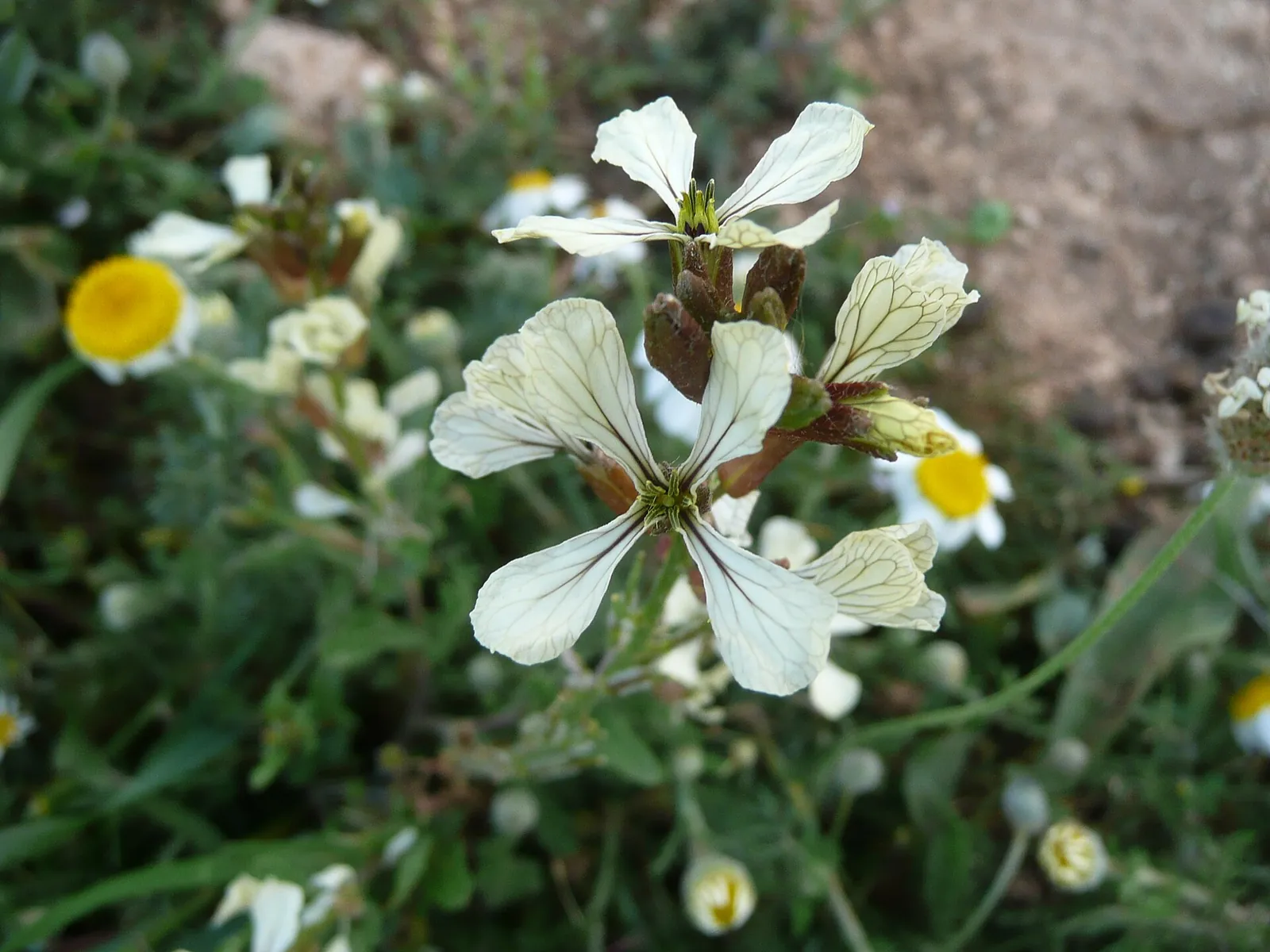
Spring is when the groves are at their most generous. The air fills with azahar, the orange blossom, and the smell carries down the lanes. The Feria de la Naranja takes place in Melegís for one week every spring, in the week before Holy Week. It has been held since 2003, and the 2026 edition was the 24th, with food stands, concerts, workshops and exhibitions. Try the remojón, a salad of orange and salt cod, which is one of the village's two most typical dishes, along with migas.
The cable that ran down to Motril
Few visitors know that the valley once had an overhead railway. The electric tram from Granada ran as far as Dúrcal, where goods were moved onto a cable line that ran down to the port of Motril. Open trucks were hauled along a steel cable over about 40 km of mountain and plain, and the line opened in 1927. The government concession ran out in 1953, the line stopped, and it was later dismantled and sold for scrap.
Dúrcal was the hinge between the tram and the cable. The Motril end sat beside what is now Playa El Cable, a beach we think is worth a walk.
Walking and cycling
The valley suits slow travel. The old irrigation channels, the acequias, run along the terraces and make natural walking lines, and the lanes between the groves are quiet enough for a relaxed stroll. Cyclists should expect steady climbs on the back roads, and should keep off the A-44, which is a motorway and no place for a bike. Take water in summer, because shade is thin on the open terraces.
Why buyers choose the valley
Buyers often ask us whether living in the valley means giving up the sea. Mostly it means you don't have to choose. The coast is a drive down the A-44, Granada is a drive up it, and the villages sit higher than the beach, which many people find fresher in August. For a lot of buyers the appeal is the space: a village house with a terrace, perhaps some land, and more room for the money than a seafront flat often offers.
If the city side appeals, read our piece on Granada and the Alhambra, then the Alpujarras next door. For the seasons on the coast, see the tropical fruit calendar. When you are ready to compare, start with the Costa Tropical guide or the house hunter.
Homes for saleSee homes for sale in MotrilSources
- Wikipedia — Valle de Lecrín (municipalities, A-44, location), accessed November 2026
- The Seaside Gazette (Martin Myall) — Dúrcal–Motril Cable Way, 1 June 2017 (1927 opening, 1953 concession, about 40 km, Playa El Cable terminal), accessed November 2026
- andalucia.com — Dúrcal history (tram link to Granada, cable dismantled in the 1950s), accessed November 2026
- andalucia.org — El valle de Lecrín y los cítricos (citrus since the 11th century, olives as windbreak), accessed November 2026
- El Valle municipal tourism — Feria de la Naranja (week before Holy Week, since 2003, 24th edition, remojón), accessed November 2026
- Wikimedia Commons — PANO PdV 20181224.jpg (Raguadom, CC BY-SA 4.0), accessed November 2026
- Wikimedia Commons — Valle del río Dúrcal, Granada (15048018608).jpg (Gregorio Puga Bailón, CC BY-SA 2.0), accessed November 2026
- Wikimedia Commons — Flores del Valle de Lecrín.jpg (Granadaruralsur, CC BY-SA 4.0), accessed November 2026
Keep reading
All storiesGranadaGranada from the coast: the Alhambra and a day in the cityThe A-44 gets you from the coast to Granada in about an hour, and the Alhambra needs booking ahead. How we plan a day in the city. GranadaA year of fiestas in Granada and on the coastGranada's holidays and the Costa Tropical's fiestas, month by month: the 2 January holiday, the May crosses, San Juan on the sand and the July boats.
 GranadaThe Alpujarras: white villages on the Sierra Nevada’s south faceThe white villages of the Alpujarras: Lanjarón, the Poqueira gorge, Trevélez, the drive from Motril and a weekend plan.
Ready when you are
Find your place on the Costa Tropical
Browse every home we have for sale, or tell House Hunter what you want and we will look for you.